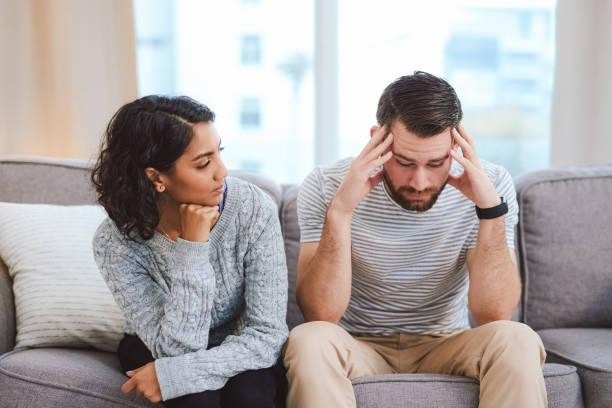
Sometimes, people we care about can make us feel sad, angry, or worried. These are called toxic relationships. They make us feel small, upset, or scared. The first step to feeling better is noticing what makes the relationship hurt you.
You can start by learning about your feelings. Ask yourself: “Why do I feel bad?” Understanding your feelings helps you protect yourself and make smart choices. You can also learn how to set limits so people treat you kindly.
What Are Toxic Relationships?
Toxic relationships are when someone’s words or actions make you feel bad again and again. It’s not about a single fight or argument.
Some examples of toxic behavior are:
- Mean words or teasing
- Trying to control what you do
- Making you feel guilty for your choices
- Not caring about your feelings
When these things happen a lot, it can make your heart and mind feel heavy. You might feel anxious, sad, or angry.
Struggles in relationships don’t happen by accident. How we talk, share, and protect ourselves comes from past experiences. Even when we are adults, our early experiences shape how we relate to others. Thinking about your patterns is not blaming anyone. It is learning how your past changes how you act today.
Why Early Experiences Matter
When we were little, we learned how to connect with people from our family and friends. Sometimes, these early experiences teach us habits that follow us as adults.
For example:
- If someone ignored your feelings as a child, you might feel scared to speak up now.
- If someone was always critical, you might be extra worried about what people think.
We can look at these patterns carefully. This helps us understand why certain situations keep repeating. When we understand them, we can start to respond differently.
Signs You Are In A Toxic Relationship
Sometimes it is hard to know if a relationship is toxic. Here are some simple ways to tell:
- You feel sad, anxious, or tired after being with them
- They tease or make fun of you often
- They try to control your choices
- You feel scared or nervous around them
- They don’t respect your feelings
If you notice these signs, it is okay to protect yourself. You don’t have to stay in a relationship that hurts you.
How To Stay Safe And Feel Better
There are simple steps to take if someone is hurting you or making you feel bad.
- Set Boundaries – Tell people what you will and won’t accept. For example, you can say: “Please don’t shout at me.”
- Take Care of yourself – Eat healthy, sleep well, and do things that make you happy.
- Notice Your Patterns – Think about why certain things make you upset. You can write in a journal or draw pictures to help.
- Talk to Someone You Trust – Friends, family, teachers, or counselors can help you see things clearly.
Sometimes, talking with trained helpers can be very useful. Online Relationship Therapy is one way to get support from a safe place. You can learn to spot toxic behaviors and practice healthy ways to respond.
When To Ask For Help
Some problems are big, and it is okay to ask for help. You can reach out to people trained to help with feelings and relationships.
If you feel:
- Scared a lot of the time
- Constantly sad or worried
- Like you can’t fix the relationship on your own
It is time to ask for help. Marriage Counselors in VA are professionals who teach people ways to be kind, listen, and set limits. They help families and couples solve problems safely and kindly.
Simple Tips To Remember
- You can say “no” and still be kind, even if it feels hard sometimes, and your feelings matter.
- Notice how people make you feel, and pay attention to patterns in their words or actions carefully.
- Take breaks from people who hurt you, and spend more time with those who make you happy.
- Talk to someone who listens without judging, like a friend, family member, or trained helper you trust.
- You deserve kindness and respect in all your relationships, and it is okay to ask for it clearly.
These steps can help you feel stronger, safer, and happier.
Frequently Asked Questions
Q. How do I know if a relationship is toxic?
A relationship is toxic if it makes you feel sad, scared, or worried often. Watch for patterns like constant criticism, teasing, or people ignoring your feelings. Feeling drained or unhappy is a strong sign.
Q. Can toxic relationships hurt my mind and body?
Yes. Being in a toxic relationship can make you anxious, stressed, or sad. It can affect sleep, appetite, and energy. Getting help early keeps your mind and body healthier.
Q. How can I protect myself from toxic people?
You can protect yourself by setting boundaries, taking care of yourself, noticing patterns, and talking to someone you trust. These steps give you control and help you make safer choices in relationships.
Q. Is Online Relationship Therapy helpful?
Yes. Online therapy is safe and flexible. You can talk to trained helpers from home. They teach strategies to manage toxic behavior and build healthier, happier relationships over time.
Q. When should I see a marriage counselor?
If conflicts are frequent, people feel unsafe, or emotions are hurt often, a Marriage Counselor in VA can help. They guide couples to communicate, set boundaries, and restore respect in relationships.
How We Can Help
Dealing with toxic relationships can feel scary, but you are not alone. You can notice patterns, set limits, and ask for support to feel safe and happy. At Onnie Baldwin, LCSW, we offer caring guidance to help you navigate tough relationships and make healthier choices.
Reach out today to begin your journey to safe, kind, and strong connections!